Home › Industrial and Heavy-Duty Asphalt Paving
Handle heavy loads and constant traffic with industrial asphalt paving in Raleigh, NC. We design and install thick, reinforced asphalt sections for truck yards, loading docks, and equipment areas. Our team considers subgrade, base depth, and traffic patterns so your pavement resists rutting, shoving, and premature failure under demanding use.
Precision Asphalt Raleigh provides professional industrial asphalt paving throughout Raleigh, NC, North Carolina and the surrounding area. Our licensed, insured crew delivers safe, clean, on-time work with a free estimate before anything begins. Call (984) 254-6287 or request your free quote.
Industrial Asphalt Paving That Holds Up Under Real-World Abuse
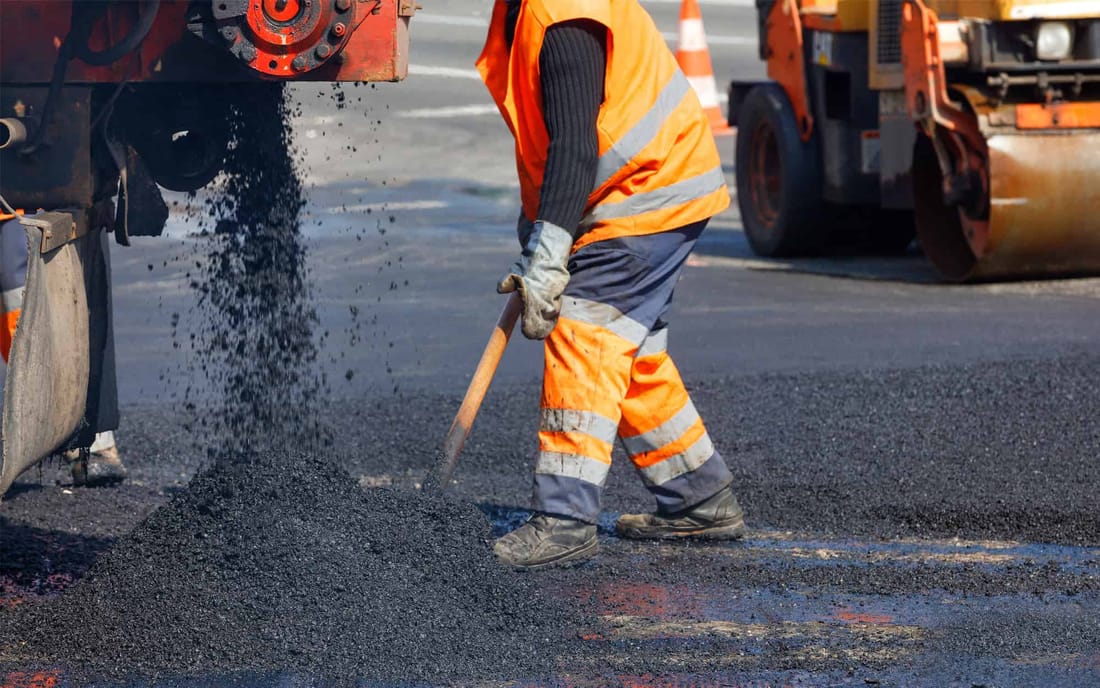
Industrial asphalt paving is not the same as paving a neighborhood driveway. At Precision Asphalt Raleigh, we design and build pavement that can take constant forklift traffic, loaded trailers, dumpsters being dragged, and turning semis without breaking apart in a year or two.
In the Raleigh area, we most often install heavy-duty asphalt for distribution centers, manufacturing plants, trucking yards, waste and recycling facilities, utility sites, and loading docks. Each of these uses creates different stress on the pavement. For example, trailer stands and dumpster pads concentrate weight in a small area, while heavy equipment yards need thick sections that resist rutting from tracked or steel-wheeled machines.
Instead of a one-size mix and thickness, we calculate pavement sections based on your actual traffic loads, turning patterns, and the soil conditions on your site. Then we match that to locally available NCDOT-approved asphalt mixes that perform well in our hot summers, freezes, and the frequent stormwater runoff issues you see across Raleigh and the Triangle.
Site Evaluation, Soil Prep, and Subgrade Stabilization
Most industrial asphalt failures trace back to what happens under the black surface. We start every heavy-duty paving project with a site walk and soil evaluation. In Raleigh, many industrial sites sit on previously disturbed fill, red clay, or areas that were once wooded and were cut down quickly for development. Each condition affects how we build the structure beneath the asphalt.
Our crew checks existing grades, drainage patterns, soft spots, and proof-rolls the area with loaded trucks where access allows. If the ground flexes or pumps water, we correct it before any paving happens. This often includes over-excavation of soft areas, installation of geotextile fabric, and adding compacted crushed stone to stiffen the base.
For heavy-duty industrial applications, we typically install 6 to 12 inches of stone base, compacted in multiple lifts with a vibratory roller to achieve uniform density. In areas with poor native soils or constant heavy loads, we may recommend soil stabilization with cement or lime, or the use of geogrid reinforcement. Although these steps add some upfront cost, they drastically reduce the risk of rutting, potholes, and base failure that shut down operations later.
Designing Thickness and Mix for Heavy-Duty Use
Industrial asphalt paving is engineered, not guessed. At Precision Asphalt Raleigh, we design pavement sections from the ground up, starting with the expected traffic. A low-speed forklift lane needs a different structure than a truck entry where loaded semis stop, turn, and back repeatedly.
In the Triangle climate, we typically use a multi-layer asphalt system for heavy-duty areas. That usually means a thick base course with a coarser aggregate for strength, then a tighter surface course that resists fuel and oil drips and provides a smoother ride for equipment. On especially demanding sites, we may use an intermediate binder course between base and surface for added fatigue resistance.
Asphalt thickness often ranges from 4 to 8 inches total for industrial work, with localized thickened sections at dumpster pads, loading dock aprons, truck scales, and trailer stand lanes. Where concrete is used for permanent point load areas, such as dock face aprons or compactor pads, we tie the asphalt into those slabs with proper joints and grading so water does not collect or undermine the interface.
We also plan expansion and contraction joints, cross slopes, and drainage paths so water leaves the pavement quickly. Standing water is a major factor in premature cracking and raveling, especially with the heavy rain events Raleigh has in summer and during tropical systems.
How the Industrial Paving Process Actually Works
For a typical industrial asphalt paving project in Raleigh, the work follows a practical sequence that minimizes disruption to your operations.
First, we coordinate a phasing plan with your team. This may involve paving one truck lane or dock row at a time so your facility can keep shipping. We identify critical access points that must remain open and schedule work in off-hours or weekends if needed.
Next, our crew performs grading and base work. We cut or fill to final elevations, shape ditches or swales as needed, and install and compact stone base to the specified depth. We then fine-grade and roll the base so it is tight and smooth, which allows us to hit uniform asphalt thickness.
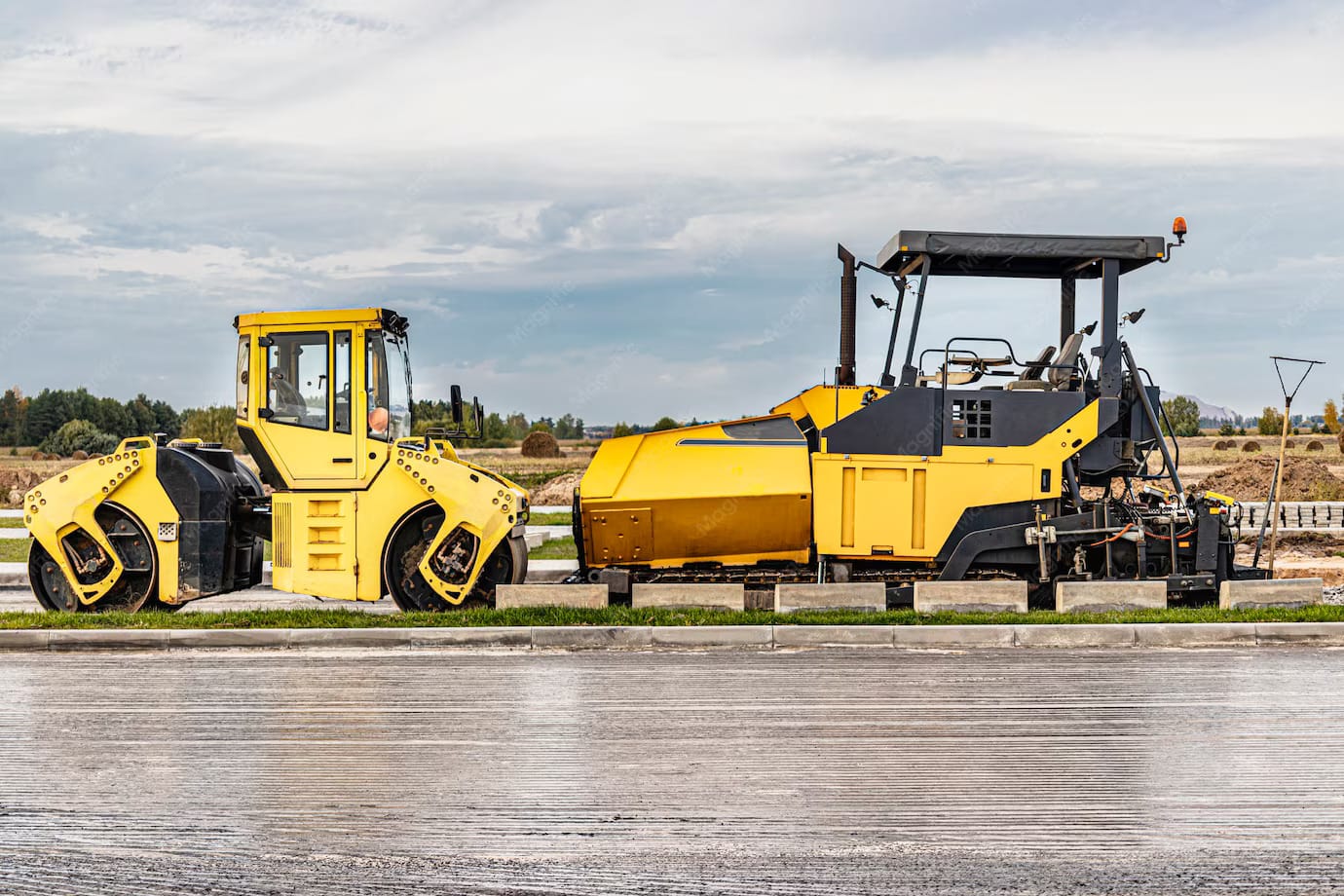
Before paving, we clean the surface and apply a tack coat where new asphalt will tie into existing pavement or between lifts. This tack helps bond the layers and prevents delamination. Then we place the asphalt in one or more lifts with a paver, immediately followed by steel drum rollers and rubber-tire rollers as needed for density and a tight finish.
Finally, we stripe and mark the pavement for truck lanes, dock numbers, fire lanes, and pedestrian routes if required. For industrial sites, we also pay attention to clear labeling of no-parking areas, trailer storage rows, and any special load zones so traffic uses the pavement as designed.
Cost Drivers, Common Issues, and How We Address Them
The cost of industrial asphalt paving in Raleigh is driven by a few key factors: required thickness, base preparation, access and phasing, and any special drainage or reinforcement needs.
Thicker asphalt and deeper stone base cost more in materials and trucking, but going too thin in heavy-duty areas is almost always more expensive in the long run. Precision Asphalt Raleigh will show you where you can reasonably save and where cutting back is a bad idea, like at dumpster pads, tight turn zones, and main truck routes.
Base correction and stabilization can also affect price. If we discover unsuitable soils or buried debris from previous construction, we will explain options on the spot, from spot undercut and replacement to larger stabilization measures. We document these areas with photos and measurements so you know exactly what was done.
Common industrial pavement issues in our area include rutting where trucks brake and turn, edge failures at the outside of truck paths, water pooling along dock faces, and surface raveling under constant forklift traffic. We combat these with thicker or reinforced sections in high-stress zones, concrete or heavy asphalt edge restraints, corrected grades around docks, and using surface mixes that are proven to hold up under slow, grinding wheel loads instead of just highway traffic.
We also factor in fuel and oil exposure, which can soften some asphalt mixes over time. In areas with frequent spills, we may recommend a slightly different surface mix or surface treatments and maintenance schedules to extend service life.
What Raleigh Industrial Clients Should Decide Before Calling
Before you bring us in, it helps to have a few decisions and details in mind. This makes design and pricing straighter and avoids re-work later.
First, have a clear traffic plan. Know which routes trucks use now and how you want traffic to flow after the project. Identify where trailers are stored, where forklifts cross from buildings to yards, and where future expansions could occur. We can then design the pavement to match that layout instead of reacting to it after construction.
Second, think about drainage and utilities. Let us know about any chronic ponding areas, roof downspouts that dump into your yard, or buried lines that cannot be disturbed. In Raleigh, many older industrial sites have patchwork drainage that contributes to pavement damage. We can often correct these issues during paving if we plan for them from the start.
Third, define your downtime limits. Tell us when your docks can be offline, which areas must stay open, and any noise or access restrictions from neighboring properties. This helps Precision Asphalt Raleigh create a construction sequence that keeps your operation running safely while we work.
If you are not sure about any of these points, we will walk the site with you and help sort them out. Our goal is to build industrial asphalt paving that fits how your facility actually operates and holds up to Raleigh weather and industrial traffic for many years with manageable maintenance instead of constant patching.